
Arthritis is NOT Just for Grandparents
When most people hear the word arthritis, they immediately picture older adults struggling with stiff, painful joints. While it’s true that arthritis becomes more common with age, the condition isn’t limited to grandparents—it can affect people of all ages, even children and young adults.
What Exactly is Arthritis?
Arthritis is an umbrella term for joint inflammation. There are over 100 types of arthritis, but the two most common are:
- Osteoarthritis (OA): Often called “wear and tear” arthritis, where the cartilage that cushions the joints gradually breaks down.
- Rheumatoid Arthritis (RA): An autoimmune disease where the immune system mistakenly attacks the lining of the joints, leading to pain and swelling.
Both types can affect anyone at different stages of life.
Arthritis in Younger People
- Juvenile Idiopathic Arthritis (JIA): Surprisingly, arthritis is one of the most common chronic illnesses in children. Kids as young as toddlers can experience swollen, painful joints that affect their play and development.
- Young Adults and Athletes: Repetitive stress, previous injuries, or genetic factors can increase the risk of early osteoarthritis. For example, a young soccer player who’s torn their ACL is more likely to develop arthritis in that knee down the road.
- Autoimmune Conditions: RA and other inflammatory types of arthritis often begin in early adulthood, not in old age.
The Impact on Daily Life
Arthritis doesn’t just cause joint pain—it can interfere with sleep, work, hobbies, and social life. For younger people, it may mean missing school, limiting sports participation, or needing time off work. This can feel isolating when peers don’t understand the seriousness of the condition.
How Physiotherapy Can Help
Physiotherapists play a vital role in managing arthritis at any age. Treatment may include:
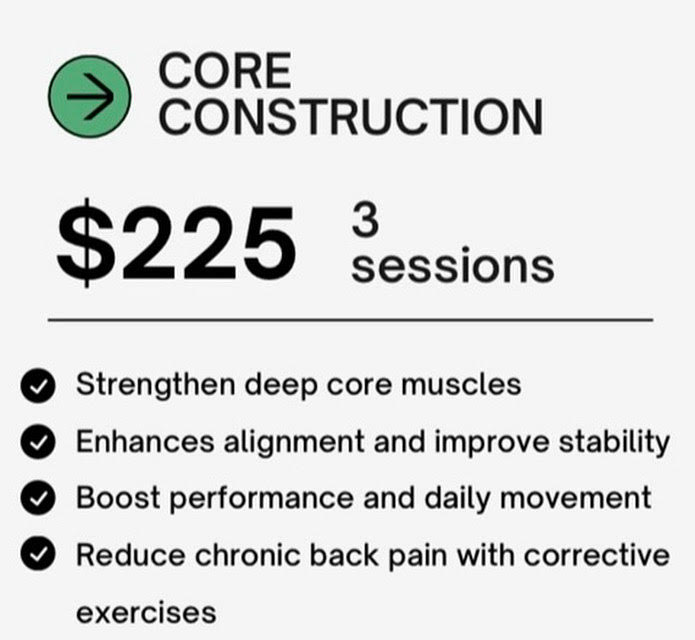
- Exercise programs: Strengthening muscles around the joints to reduce pain and improve stability.
- Joint protection strategies: Learning how to move and lift in ways that protect vulnerable joints.
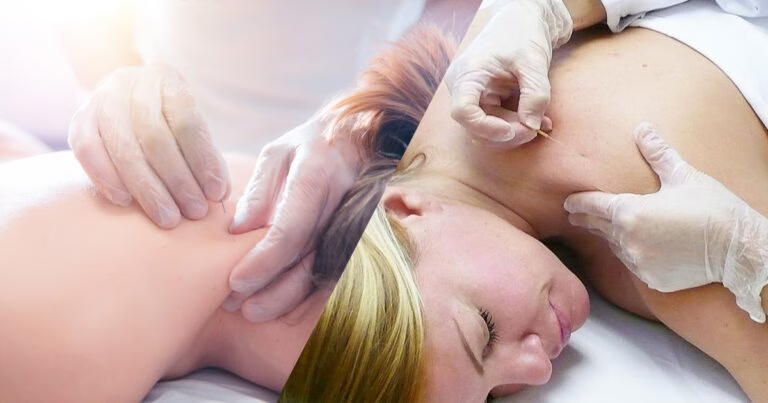
- Manual therapy: Hands-on techniques to improve mobility and reduce stiffness.
- Education: Helping people understand their condition and gain confidence in managing it.
- Lifestyle advice: Guidance on activity modification, pacing, and healthy habits to protect joint health long-term.
Final Thoughts
Arthritis doesn’t discriminate—it can affect children, teens, adults, and seniors alike. The good news is that with early diagnosis, proactive care, and the right physiotherapy plan, people of all ages can continue to stay active, independent, and engaged in the things they love.