
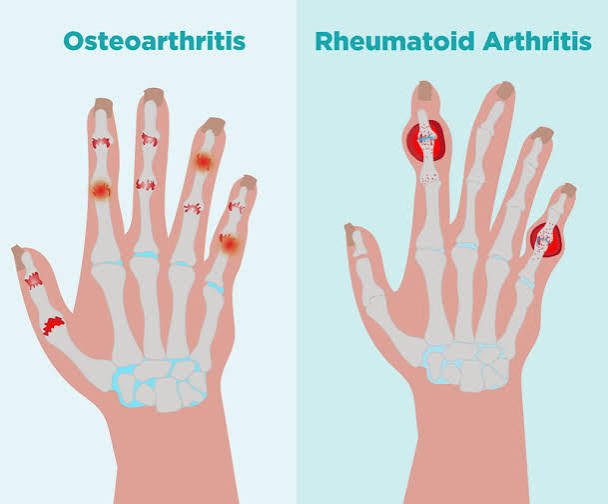
What’s the Difference?
If you’ve been told you have arthritis—or know someone who has—you may have wondered whether it’s rheumatoid arthritis or osteoarthritis.
While both conditions affect the joints, they’re actually very different diseases.
Understanding the difference can help you know what to expect and how treatment can help.
Osteoarthritis: The “Wear and Repair” Arthritis
Osteoarthritis is the most common form of arthritis.
It’s often described as “wear and tear,” but that’s only part of the story.
Over time, the smooth cartilage that cushions the ends of the bones begins to change. The joint also responds by trying to repair itself, leading to changes in the surrounding bone and tissues.
Osteoarthritis commonly affects the:
- Knees
- Hips
- Hands
- Spine
- Big toe
Symptoms often include:
- Pain during or after activity
- Stiffness after sitting or first thing in the morning
- Reduced joint movement
- Crunching or grinding sensations
- Gradual progression over many years
Morning stiffness usually improves within about 30 minutes after getting moving.
Rheumatoid Arthritis: When the Immune System Attacks the Joints
Rheumatoid arthritis (RA) is very different.
Instead of being caused by changes within the joint over time, RA is an autoimmune disease.
This means the body’s immune system mistakenly attacks the lining of healthy joints, causing inflammation.
Without treatment, this ongoing inflammation can damage cartilage, bone, and surrounding tissues.
RA often affects:
- Hands
- Wrists
- Feet
- Fingers
Unlike osteoarthritis, it frequently affects the same joints on both sides of the body.
Common Symptoms of Rheumatoid Arthritis
People with RA often experience:
- Swollen, warm joints
- Pain even when resting
- Morning stiffness lasting longer than an hour
- Fatigue
- Symptoms affecting multiple joints at once
Because RA is an inflammatory disease, many people also describe feeling generally unwell during flare-ups.
Can Physiotherapy Help Both?
Absolutely.
Although the causes are different, physiotherapy plays an important role in helping people with both conditions.
For osteoarthritis, physiotherapy focuses on:
- Improving strength
- Increasing flexibility
- Reducing pain
- Improving balance
- Helping people stay active
For rheumatoid arthritis, treatment is often adapted depending on whether the disease is in a flare or well controlled.
Physiotherapists help by:
- Protecting painful joints
- Maintaining mobility
- Improving strength safely
- Teaching joint protection strategies
- Helping people stay active without overloading inflamed joints
Exercise is one of the best long-term treatments for both conditions—but the type and intensity should be individualized.
Is Arthritis Just Part of Getting Older?
Not necessarily.
While osteoarthritis becomes more common with age, many people remain active and manage it successfully for decades.
Rheumatoid arthritis, on the other hand, can develop in younger adults and even children.
The important thing is obtaining the correct diagnosis so treatment can begin as early as possible.
The Bottom Line
Although their names sound similar, rheumatoid arthritis and osteoarthritis are very different conditions.
Osteoarthritis is primarily related to changes within the joint over time.
Rheumatoid arthritis is an autoimmune disease that causes inflammation throughout the joint.
The encouraging news is that people with both conditions can often stay active, reduce pain, and improve their quality of life with the right combination of medical care, physiotherapy, and regular exercise.
If arthritis is making it difficult to enjoy walking, gardening, golfing, hiking, or simply getting through your day, don’t assume you have to live with it.
A physiotherapist can help you move more comfortably and confidently—whatever type of arthritis you have.