You twisted your knee getting out of the car.
Maybe it happened while skiing, playing pickleball, or simply turning to grab something in the kitchen.
Now your knee hurts, it may be swollen, and someone has already said,
“Sounds like you’ve torn your meniscus.”
So…what exactly is a meniscus, and what should you do next?
What Is the Meniscus?
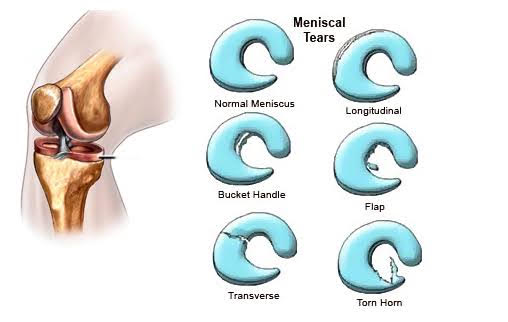
Each knee has two menisci—small, C-shaped pieces of cartilage that sit between your thigh bone and shin bone.
Think of them as your knee’s shock absorbers.
They help distribute weight, improve stability, and protect the joint during everyday activities like walking, climbing stairs, and squatting.
How Does a Meniscus Tear Happen?
There are two common ways.
A traumatic tear often happens during sports when the knee twists while the foot stays planted.
These injuries are common in skiing, soccer, basketball, volleyball, and pickleball.
A degenerative tear develops gradually over time as the cartilage naturally changes with age.
Sometimes something as simple as kneeling, squatting, or stepping off a curb can trigger symptoms.
What Are the Symptoms?
People with a meniscus injury may notice:
- Pain along the inside or outside of the knee
- Swelling that develops over several hours
- Pain with twisting or squatting
- Clicking or catching sensations
- Difficulty fully bending or straightening the knee
- A feeling that the knee isn’t quite right
Occasionally, a larger tear can cause the knee to lock, making it difficult to fully straighten.
Do I Need an MRI Right Away?
Not always.
A thorough physiotherapy assessment can often identify whether a meniscus injury is likely and whether other structures—such as ligaments or the kneecap—may be involved.
In many cases, your symptoms and physical examination provide more useful information than an early MRI.
Imaging is usually considered when symptoms are severe, the knee locks, significant instability is present, or recovery isn’t progressing as expected.
Does Every Meniscus Tear Need Surgery?
No—and this surprises many people.
Many meniscus tears improve with time and appropriate rehabilitation.
Research has shown that, particularly for age-related or degenerative tears, physiotherapy can provide excellent results without surgery.
Surgery may still be appropriate for some people, particularly those with large traumatic tears, persistent locking, or injuries that don’t improve with conservative treatment.
What Should You Do First?
During the first few days:
- Reduce activities that make the pain worse.
- Use ice if it helps with swelling or discomfort.
- Keep the knee moving gently within a comfortable range.
- Avoid prolonged bed rest.
- Seek an assessment if you’re struggling to walk, the knee feels unstable, or symptoms are significant.
How Can Physiotherapy Help?
Physiotherapy focuses on helping the knee recover while protecting the injured tissue.
Treatment may include:
- Reducing pain and swelling
- Restoring knee movement
- Improving strength in the quadriceps, hamstrings, and hips
- Working on balance and stability
- Gradually returning you to work, hiking, running, skiing, or sport
The goal is not only to help your knee feel better—but to restore confidence in using it again.
The Bottom Line
A sore knee after a twist doesn’t automatically mean surgery.
Many meniscus injuries recover very well with physiotherapy, exercise, and time.
The key is getting the right diagnosis and an individualized treatment plan.
If you’ve injured your knee and you’re wondering whether you’ve torn your meniscus, don’t panic.
A physiotherapy assessment can help determine what’s going on and guide you toward the safest and most effective path back to the activities you enjoy.