
International Youth Day: How Physiotherapy Helps Young People Move Their Best
Every year on August 12th, we celebrate International Youth Day—a reminder of the incredible energy, potential, and resilience young people bring to the world. But to keep that energy flowing, it’s important to make sure kids and teens have healthy, pain-free movement.
Physiotherapists play a key role in helping young people stay active, recover from injuries, and build a foundation for lifelong physical health.
Common Conditions Physiotherapists Treat in Youth
Sports Injuries
From soccer sprains to basketball knee pain, physios help athletes recover quickly and safely.
Growth-Related Pain
Conditions like Osgood-Schlatter (knee pain) and Sever’s disease (heel pain) are common during growth spurts.
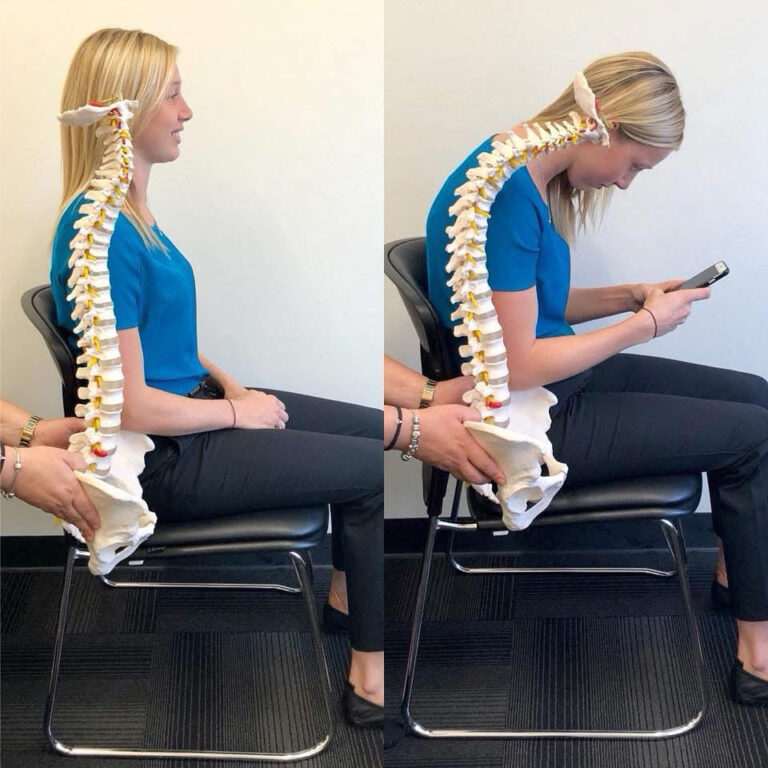
Posture Issues
Heavy backpacks and increased screen time can lead to neck and back discomfort—physios teach better posture habits.
Overuse Injuries
Repetitive movements in sports or dance can cause tendonitis and stress fractures; treatment focuses on rest, rehab, and prevention.
Concussion Management
After a head injury, physios guide safe return-to-school and return-to-sport protocols.
Scoliosis Management
Exercises, education, and monitoring can help reduce pain and improve alignment.
Rehabilitation After Surgery
Whether it’s an ACL repair or a fracture, physiotherapy restores movement and strength.
Balance & Coordination
Developing athletes benefit from exercises that improve agility and prevent falls.
Chronic Conditions
Support for youth with juvenile arthritis, mild cerebral palsy, or other ongoing conditions helps them stay active.
At Spine & Sports Physiotherapy, we love helping youth move with confidence—whether they’re chasing a ball, dancing on stage, or just enjoying active play. On International Youth Day, we celebrate the resilience of young people and our role in keeping them healthy, strong, and ready for whatever’s next.
“If your child or teen is dealing with pain, injury, or movement challenges, book an assessment with one of our physiotherapists today.”