
Low back pain is one of the most common reasons people visit a physiotherapist. In fact, it’s the number one injury we see in our clinic. The surprising part? Not all back pain is the same.
Many people assume their pain is simply a “pulled muscle” or that they must have “thrown their back out.” But the truth is that back pain can come from several different structures in the body. Understanding the true cause of the pain is the key to treating it properly.
Not All Back Pain Comes From the Same Place
Low back pain may be related to:
- Mechanical back pain – irritation of joints and muscles in the spine
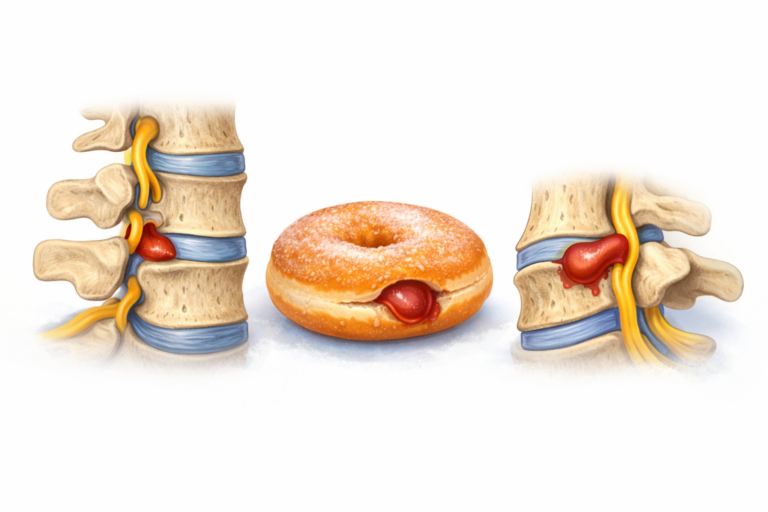
- Disc irritation – when the cushioning discs between vertebrae become inflamed
- Nerve compression – which can cause pain that travels into the hip or leg
- Sacroiliac (SI) joint dysfunction – irritation of the joint connecting the spine and pelvis
- Piriformis syndrome – a deep hip muscle irritating the sciatic nerve
Because there are several potential sources, treating back pain without a proper assessment can be a bit like guessing.
Physiotherapy Starts With a Thorough Assessment
At our clinic, the first step is always a comprehensive assessment. Think of it like being a detective solving a mystery. We gather clues by looking at:
- how your spine and hips move
- muscle strength and flexibility
- posture and movement patterns
- where your symptoms begin and how they travel
This process helps us determine the true source of the problem, rather than simply treating the area where pain is felt.
Treatment Is Tailored to the Cause
Once we understand what’s driving the pain, we create a treatment plan specific to your condition. Treatment may include a combination of:
- Manual therapy to improve joint mobility
- Soft tissue treatment to release tight muscles
- Trigger point release for areas of muscle tension
- Dry needling to help reduce pain and restore muscle function
- Targeted exercises to strengthen and support the spine
The goal isn’t just to relieve pain in the moment—it’s to help your body move better and reduce the likelihood of the problem returning.
The Good News About Back Pain
The good news is that most cases of low back pain respond very well to physiotherapy and guided exercise. When the underlying cause is properly identified and treated, people often see significant improvement in both pain and function.
If you’ve been dealing with back pain that isn’t improving, or if it keeps coming back, a physiotherapy assessment can help uncover what’s really going on.
Because when it comes to back pain, the most important step is understanding the cause.