Do They Help… or Can They Make Your Back Weaker?
Years ago, it seemed like everyone with back pain owned a back brace.
Workers wore them on construction sites. Gardeners strapped them on before heading outside. You could even buy them at the pharmacy beside the heating pads.
Today, we see them much less often.
So what changed?
Do back braces actually work?
The answer is yes—but only in the right situations.
What Does a Back Brace Do?
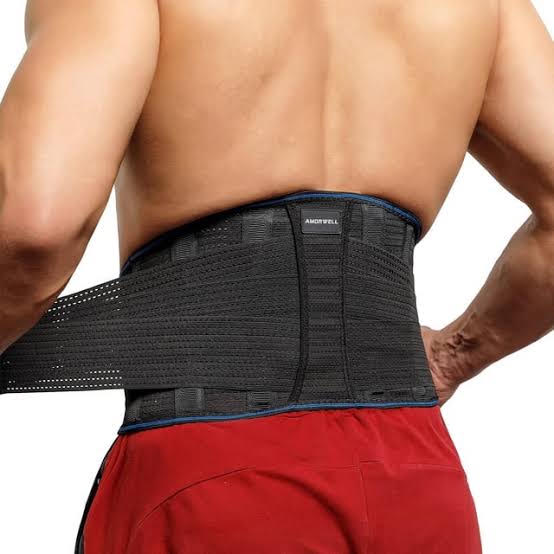
A back brace doesn’t “fix” your back.
Instead, it provides temporary support by limiting certain movements, reminding you to maintain better posture, and helping reduce strain on irritated tissues.
For some people, this can provide meaningful pain relief—particularly during the early stages of an injury.
Think of it like using a walking boot after an ankle injury. It’s there to help while things calm down, not forever.
When Can a Back Brace Help?
A brace may be useful if you have:
- An acute low back strain
- A compression fracture
- Certain spinal conditions recommended by your physician or specialist
- Pain during heavy lifting at work while recovering
- Short-term support following some surgeries
In these situations, a brace can help reduce painful movements while healing takes place.
When Isn’t a Brace the Answer?
This is where many people are surprised.
If you’ve had ongoing back pain for months or years, wearing a brace every day is usually not the best solution.
Your spine relies on strong muscles for support.
If a brace does all the work all the time, those muscles may gradually become less active.
That’s why physiotherapists usually recommend using a brace as a temporary tool, not a permanent solution.
“My Friend Says It Made Their Core Weak.”
This is one of the biggest myths—and one of the biggest misunderstandings.
Simply wearing a brace for a short period isn’t going to make your muscles suddenly weak.
The concern is with long-term dependence.
If someone wears a brace every day for months without addressing the underlying problem, they may miss the opportunity to rebuild the strength and confidence their back needs.
What Helps More Than a Brace?
For most people with back pain, the best long-term approach includes:
- Staying active
- Improving core and hip strength
- Restoring flexibility
- Learning proper lifting techniques
- Gradually returning to normal activities
- Building confidence in movement
Research consistently shows that movement and exercise are among the most effective treatments for many common types of back pain.
How Can Physiotherapy Help?
Every back pain story is different.
At Spine & Sports Physiotherapy, we determine why your back hurts before recommending treatment.
For some patients, a brace may be helpful for a short time.
For many others, education, hands-on treatment, targeted exercises, and a gradual return to activity are far more effective.
Our goal isn’t just to reduce your pain today.
It’s to help you move confidently without needing a brace tomorrow.
The Bottom Line
Back braces haven’t disappeared—they’ve simply found their proper place.
They can be an excellent short-term tool for certain injuries and conditions, but they’re rarely the complete answer.
The strongest support for your spine isn’t something you buy at the pharmacy.
It’s the muscles, movement, and confidence you build through proper rehabilitation.
If you’re wondering whether a back brace is right for you, a physiotherapy assessment can help you decide whether it’s part of the solution—or whether your back is ready for something even better.