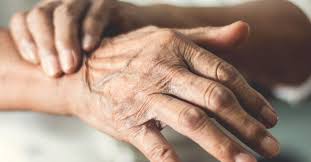
April is Parkinson’s Awareness Month—a time to shine a light on a condition that is often misunderstood.
When most people think of Parkinson’s, they picture a tremor. A shaky hand. A visible sign that something isn’t quite right.
But the truth is…
Parkinson’s is so much more than that.
What Parkinson’s Really Looks Like
In the clinic, Parkinson’s rarely presents as just one symptom.
It can show up as:
- Slower movement (everything just takes longer)
- Muscle stiffness that doesn’t seem to ease with stretching
- Changes in posture—more forward, more guarded
- Balance challenges and increased fall risk
- Smaller, shuffling steps when walking
- Reduced arm swing
- A quieter voice
- Fatigue that feels out of proportion to activity
And often, these changes come on gradually. Subtly. Quietly.
Sometimes people don’t even realize what’s happening at first—they just feel like their body isn’t moving the way it used to.
The Frustrating Part
One of the hardest things about Parkinson’s is that many of these symptoms are invisible to others.
Someone might look “fine” on the outside.
But inside, everyday movements can feel effortful, slow, and unpredictable.
Getting out of a chair.
Turning in the kitchen.
Walking through a crowded space.
These are things we all take for granted—until they become difficult.
Here’s the Good News: Movement Matters
There is something incredibly important we want people to understand:
 Movement is medicine.
Physiotherapy plays a powerful role in helping people with Parkinson’s maintain independence and quality of life.
We’re not trying to “fix” Parkinson’s.
We’re working with the body to keep it moving as well as possible, for as long as possible.
What We Work On in Physiotherapy
Treatment is very functional—real life, real movement.
We focus on things like:
- Improving balance and reducing fall risk
- Increasing step size and walking efficiency
- Practicing safe and confident turning
- Strengthening key muscle groups
- Improving posture and mobility
- Building strategies for daily tasks
We also work on cueing techniques—simple tools that can help override the “stuck” feeling that sometimes happens with movement.
Because with Parkinson’s, it’s not just about strength…
It’s about how the brain and body communicate.
Why Early Treatment Matters
One of the biggest missed opportunities we see is waiting too long to start physiotherapy.
Many people think:
“I’ll come in when it gets worse.”
But the reality is—
The earlier we start, the better the outcomes.
Early intervention helps:
- Maintain mobility longer
- Slow functional decline
- Build confidence early
- Establish strong movement patterns
Think of it as staying ahead of the curve, rather than trying to catch up later.
Living Well with Parkinson’s
A diagnosis of Parkinson’s is life-changing—but it doesn’t mean life stops.
With the right support, people can continue to:
- Stay active
- Stay strong
- Stay independent
- Keep doing the things they love
We see it every day.
Small improvements matter.
Confidence matters.
Feeling in control of your body again—even just a little—matters.
Final Thoughts
Parkinson’s is more than a tremor.
It’s a condition that affects movement in complex, often subtle ways—but it’s also one where the right support can make a meaningful difference.
If you or someone you love has been diagnosed, know this:
You don’t have to navigate it alone.
And it’s never too early to start moving better.
– Spine & Sports Physiotherapy