And How Can Physiotherapy Help?
By Cheryl Witter, Physiotherapist Spine & Sports Physiotherapy
If you’ve ever been told you have a maltracking kneecap, you may have wondered what exactly that means.
Is your kneecap out of place? Is it dislocated? Will you need surgery?
Fortunately, in most cases, the answer is no.
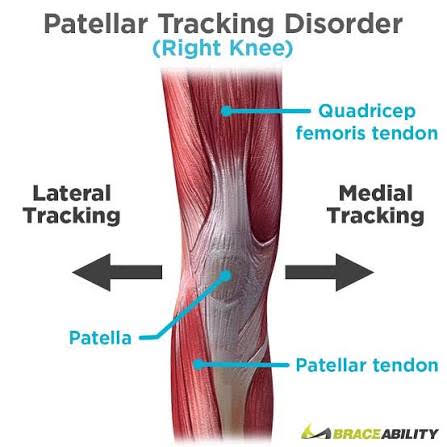
Maltracking simply means that your kneecap (patella) isn’t moving as smoothly as it should when you bend and straighten your knee.
How Does the Kneecap Normally Work?
Think of your kneecap as a train travelling along a railway track.
As you bend your knee, the kneecap glides up and down a groove at the end of your thigh bone. Ideally, it stays centred within this groove, allowing the knee to move smoothly and efficiently.
When everything is working properly, you hardly notice it.
What Is Maltracking?
With maltracking, the kneecap drifts slightly to one side—most commonly toward the outside of the knee.
Instead of gliding smoothly, it creates increased pressure on parts of the cartilage underneath the kneecap. Over time, this can lead to pain and irritation.
It’s important to remember that the kneecap usually isn’t “out of place.” It’s simply not moving in the most efficient path.
Common Symptoms People often describe:
Pain around or behind the kneecap
Pain when climbing or descending stairs
Discomfort after sitting for long periods (“movie-goer’s knee”)
Pain during squats or lunges
Clicking, grinding, or popping sensations
Feeling that the knee is unstable or may “give way”
Athletes, runners, hikers, cyclists, and active adults commonly experience these symptoms.
Why Does It Happen?
There usually isn’t just one cause.
Instead, maltracking is often the result of several factors working together, including:
Weak hip muscles
Weak quadriceps, particularly the inner thigh muscles
Tight muscles along the outside of the thigh or calf
Poor foot mechanics
Reduced ankle mobility
Changes in training volume or activity levels
Rather than focusing only on the knee, physiotherapists look at how the entire leg moves.
How Can Physiotherapy Help?
The goal isn’t simply to reduce pain—it’s to improve how the kneecap moves.
Your physiotherapist may:
Assess your movement patterns while walking, running, squatting, and climbing stairs.
Strengthen the hip and thigh muscles to improve knee alignment and control.
Improve flexibility in tight muscles that may be pulling the kneecap off its ideal path.
Correct movement mechanics to reduce unnecessary stress on the front of the knee.
Recommend taping or bracing when appropriate to improve comfort during activity.
Provide guidance on footwear and training modifications while the knee settles down.
The result is often less pain, better movement, and greater confidence returning to activities you enjoy.
Can It Be Prevented?
In many cases, yes.
Strong hips, good leg control, gradual increases in activity, and proper movement mechanics all help keep the kneecap tracking efficiently.
For runners and hikers especially, regular strengthening exercises can significantly reduce stress on the front of the knee.
The Bottom Line
A maltracking kneecap sounds alarming, but it is usually a mechanical problem—not permanent damage.
The good news is that physiotherapy is often highly effective. By identifying why the kneecap isn’t moving well and correcting the contributing factors, most people can return to walking, running, hiking, cycling, and everyday activities with much less pain.
If your knees ache every time you climb stairs or you’ve stopped enjoying activities because of pain around your kneecap, don’t ignore it. Sometimes a few small changes in strength, flexibility, and movement can make a surprisingly big difference.