
A calf cramp is a sudden, involuntary tightening of the gastrocnemius or soleus muscles (the two large muscles in the back of the lower leg).
They can last from a few seconds to several minutes and leave residual soreness afterward.
Common Causes
Physiotherapists usually look for one or a combination of these underlying issues:
- Muscle fatigue or overload — from overtraining, jumping, or long hours on your feet.
- Dehydration or electrolyte imbalance — low potassium, magnesium, sodium, or calcium.
- Poor circulation — reduced blood flow to the lower legs.
- Nerve irritation — from lumbar spine or sciatic nerve tension.
- Calf tightness or trigger points — short, overused muscles that cramp under strain.
- Foot and gait mechanics — flat feet, poor footwear, or tight Achilles tendons.
How Physiotherapy Helps
Assessment
A physio will start by identifying the cause:
- Muscle strength and flexibility tests
- Posture and gait analysis
- Nerve mobility assessment
- Hydration and activity review
Understanding why the cramps occur determines the treatment plan.
Hands-On Treatment
- Manual therapy / massage: releases tightness and trigger points in the calf and hamstrings.
- Dry needling or intramuscular stimulation (IMS): excellent for chronic or recurrent cramps caused by neuromuscular irritation.
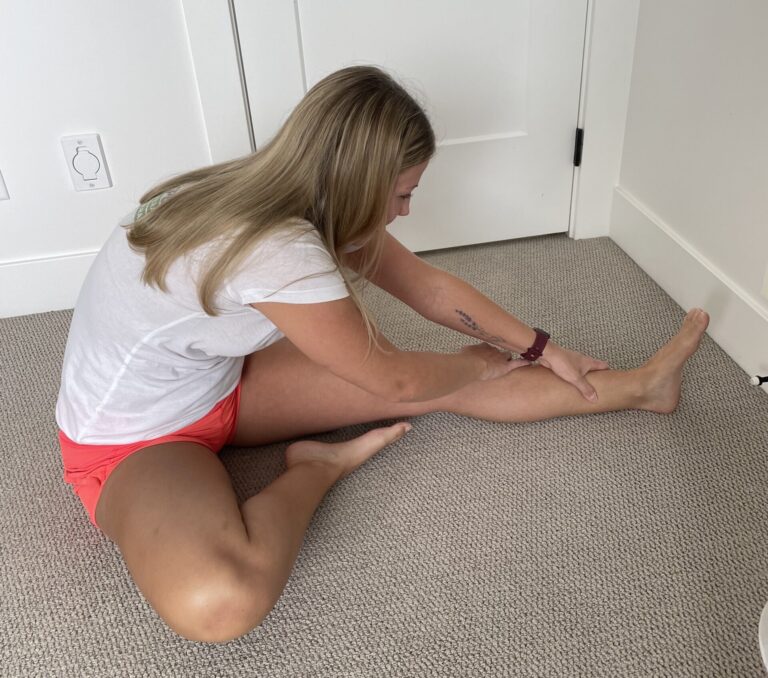
- Stretching and myofascial release: restores muscle length and circulation.
Exercise Prescription
Physiotherapists design a home program to:
- Stretch: gastrocnemius and soleus daily (wall or step stretches).
- Strengthen: calf raises, balance drills, and foot intrinsic exercises.
- Mobilize: ankle and knee joints to improve blood flow and range.
Education & Prevention
Your physio may recommend:
- Proper hydration and electrolytes (especially for athletes).
- Gradual warm-up and cool-down routines.
- Footwear check — supportive shoes or orthotics if necessary.
- Night-time stretches or gentle calf rolling before bed.
When to See a Physiotherapist
Seek a physio assessment if:
- Cramps happen frequently or at rest.
- You notice numbness, tingling, or weakness.
- There’s swelling, redness, or warmth (to rule out circulation issues or DVT).
- They interrupt sleep or athletic performance regularly.
Key Takeaway
Physiotherapy treats calf cramps by:
- Identifying the root cause (mechanical, neurological, or circulatory).
- Using hands-on release and exercise to restore muscle balance.
- Teaching prevention and recovery techniques that keep you active.