When it comes to muscle-related pain, size doesn’t always matter. The piriformis is a small muscle located deep in the buttock, but when it becomes irritated, it can cause pain that radiates into the hip, buttock, and even down the leg. For some people, piriformis dysfunction can mimic the symptoms of sciatica, making it a frustrating and sometimes confusing condition.
What is the Piriformis Muscle?
The piriformis is a flat, band-like muscle that runs from the sacrum (the base of the spine) to the top of the femur (thigh bone). Its main jobs are:
- Rotating the hip outward (external rotation).
- Stabilizing the hip during walking and standing.
- Assisting in lifting and rotating the leg away from the body.
Because of its location, the sciatic nerve passes directly underneath—or in some people, even through—the piriformis. This close relationship explains why irritation of the piriformis can sometimes affect the sciatic nerve.
What Causes Piriformis Pain?
Several factors can trigger piriformis-related pain, including:
- Overuse injuries from running, cycling, or repetitive movement.
- Prolonged sitting, especially on hard surfaces.
- Muscle imbalances or weakness in the hips and core.
- Direct trauma to the buttock area.
- Anatomical variations where the sciatic nerve runs through the muscle.
Symptoms to Watch For
Piriformis dysfunction can present with:
- Deep ache in the buttock, often one-sided.
- Pain that worsens with sitting, climbing stairs, or running.
- Tingling, numbness, or shooting pain down the leg (sciatic-like symptoms).
- Stiffness in the hip and reduced mobility.
How Physiotherapy Can Help
A physiotherapist can play a key role in diagnosing and treating piriformis-related pain. Treatment often includes:
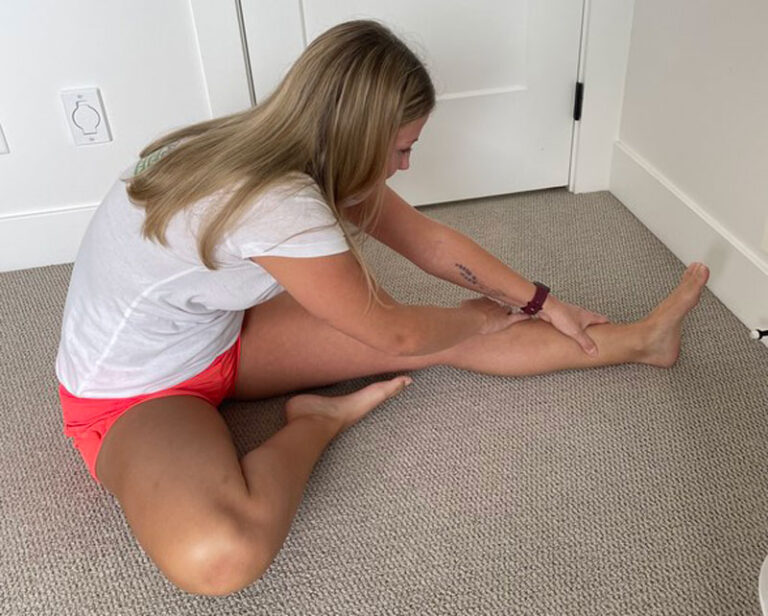
- Targeted stretches to relieve piriformis tightness.
- Strengthening exercises for the glutes, hips, and core to restore balance.
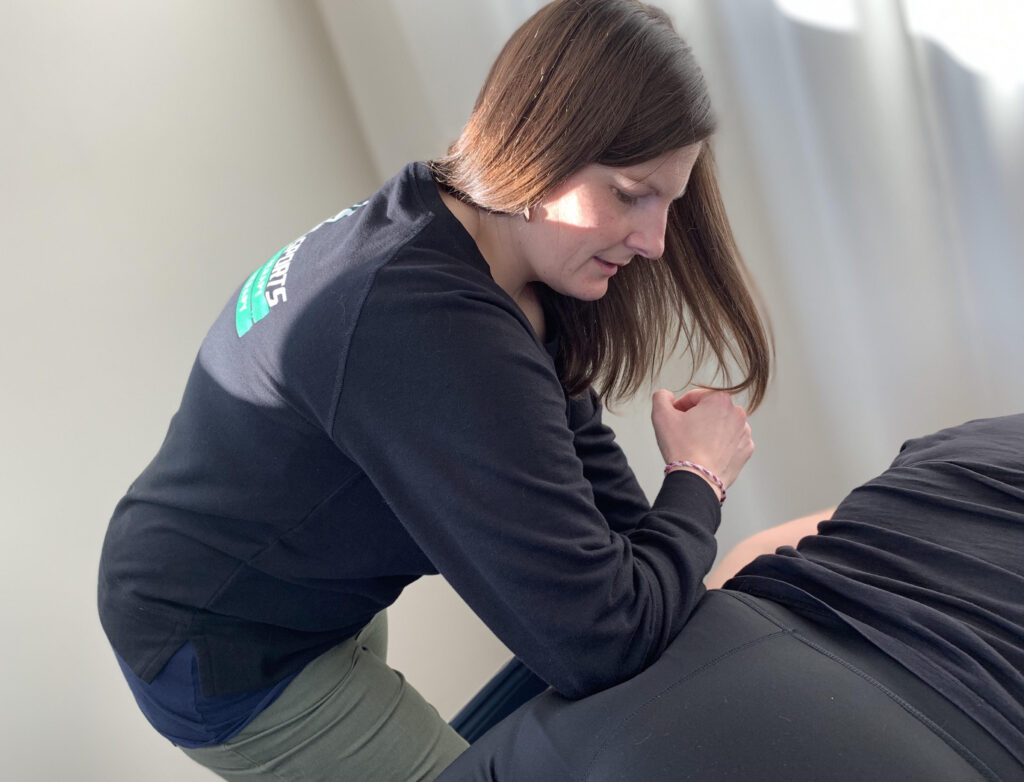
- Manual therapy to release tension in the piriformis and surrounding muscles.
- Postural and movement retraining to reduce irritation.
- Education on activity modification, ergonomic sitting, and safe return to sport.
Key Takeaway
The piriformis may be small, but the pain it creates can be anything but. With proper assessment and a tailored physiotherapy program, most people experience significant relief and return to the activities they enjoy.
 If you’re struggling with buttock or sciatic-like pain, book an appointment with our team at Spine & Sports Physiotherapy and Massage Clinic. We can help you get to the root cause and get back on track.